
The hiring market has changed dramatically over the past few years, and there are clear hiring-deal breakers in 2026. Employers can no longer assume qualified candidates will tolerate vague job descriptions, drawn-out interview processes, or poor communication simply because jobs are competitive. Today’s candidates are evaluating employers just as aggressively as employers evaluate candidates.
New research from Monster reveals that job seekers are increasingly selective about where they apply and what hiring practices they’ll tolerate. The findings send a clear message to employers. Hiring friction, lack of transparency, and outdated recruiting habits are actively driving qualified candidates away.
For women in business who are hiring managers, executives, entrepreneurs, or HR leaders, understanding these shifting expectations is critical. Strong candidates have options, and organizations that modernize their recruiting strategies will have a significant competitive advantage.
Key Takeaways
This article explains the biggest hiring deal-breakers in 2026 and how employers can improve recruiting results.
- Salary transparency has become a critical recruiting factor, with many job seekers refusing to apply for jobs that don’t include compensation information.
- Clear, detailed job descriptions attract more qualified candidates than vague postings filled with corporate jargon and hiring buzzwords.
- Long hiring processes, excessive interview rounds, and unpaid assignments are major job search deal-breakers for today’s candidates.
- Poor candidate experience during interviews can damage employer branding and cause top talent to withdraw from the hiring process.
- Employer reputation on review sites, social media, and professional networks now plays a major role in recruiting success and talent acquisition.
- Structured interviews, streamlined applications, and clear hiring communication help employers improve candidate engagement and hiring outcomes.
- Women leaders and inclusive employers can attract stronger talent pools by highlighting workplace flexibility, career growth opportunities, and equitable hiring practices.
- Transparency, efficiency, and respect throughout the recruitment process give employers a competitive advantage in hiring top talent in 2026 and beyond.
Candidates Are Rejecting Vague and Complicated Hiring Processes
Monster’s 2026 Job Search Deal-Breakers Report surveyed more than 1,000 U.S. workers and found several major reasons candidates abandon applications or withdraw from hiring processes entirely.
Among the biggest deal-breakers:
- 60% of workers will not apply for a job that doesn’t list a salary range.
- 59% are discouraged by unpaid assignments or extensive take-home projects.
- 57% say a poor interview experience would make them leave the hiring process.
- 56% avoid companies with negative reviews or reputational concerns.
- 51% skip unclear job descriptions.
- 45% avoid lengthy or overly complicated applications.
The report also found candidates are increasingly frustrated by hiring processes that feel unnecessarily burdensome or impersonal. Major interview red flags include:
- More than three interview rounds
- Mandatory tests or assignments
- Re-entering resume information manually
- Not meeting with the actual hiring manager
- Lack of salary transparency early in the process
For employers, these findings represent more than candidate preferences. They reflect a larger shift in workplace expectations centered around efficiency, respect, and transparency.
Salary Transparency Is No Longer Optional
The most striking finding from Monster’s research is that six in ten workers refuse to apply for jobs without salary information.
That number is likely to continue increasing as more states adopt pay transparency laws and employees become more comfortable discussing compensation openly. Research from academic studies also shows that compensation transparency improves employer attractiveness and influences candidate engagement.
For employers, salary transparency delivers several advantages:
- Reduces wasted time interviewing candidates with incompatible compensation expectations
- Increases application quality
- Builds trust early in the hiring process
- Demonstrates organizational confidence and fairness
- Helps reduce perceptions of inequity
Women leaders, in particular, should recognize the connection between transparency and workplace equity. Pay secrecy has historically contributed to gender pay disparities. Transparent compensation practices can help organizations build stronger reputations among women professionals and diverse candidate pools.
Recommendation: Include Compensation Details Up Front
Employers should avoid broad ranges that feel meaningless. A posting listing compensation as “$50,000–$150,000” may create skepticism rather than trust.
Instead, effective salary transparency includes:
- A realistic salary range
- Bonus or commission eligibility
- Benefits highlights
- Remote or hybrid flexibility
- Advancement opportunities
Candidates increasingly want a complete picture of compensation, not just base pay.
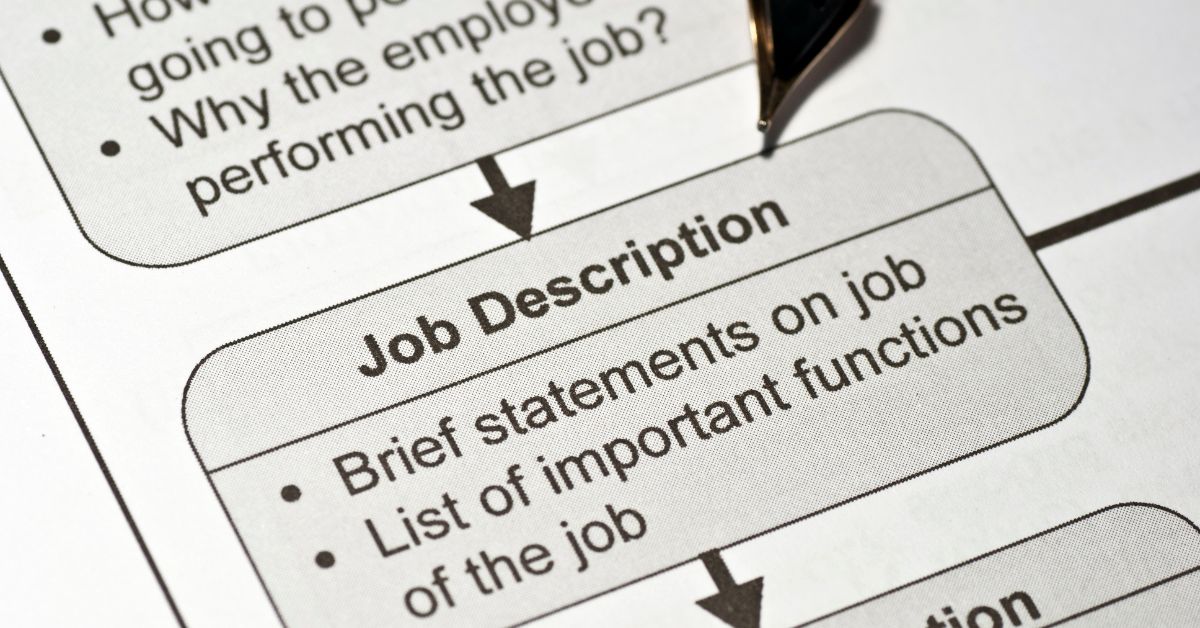
Job Descriptions Need Clarity, Not Buzzwords
Monster’s research found that unclear job descriptions discourage more than half of candidates from applying.
In addition, research from Adobe found candidates are turned off by vague corporate jargon and overused phrases such as:
- “Rockstar”
- “Wear many hats”
- “Fast-paced environment”
- “Customer-obsessed”
- “We’re a family”
These phrases often create confusion instead of excitement because they fail to communicate the actual responsibilities and expectations of the role.
Recommendation: Write Job Descriptions Like a Conversation
The strongest job descriptions are specific, practical, and human.
Instead of writing:
“Seeking a rockstar marketer to thrive in a fast-paced environment.”
Write:
“Looking for a marketing manager who can oversee email campaigns, collaborate with sales teams, and analyze campaign performance data in a deadline-driven environment.”
Candidates want clarity about:
- Daily responsibilities
- Team structure
- Performance expectations
- Growth opportunities
- Work environment
- Reporting relationships
- Flexibility and scheduling
Specificity attracts qualified candidates while discouraging poor-fit applicants.
Hiring Processes Are Becoming Too Complicated
Many employers unintentionally create hiring fatigue by adding excessive interview rounds, repetitive assessments, and complicated application systems.
Monster’s report found that candidates are increasingly unwilling to tolerate these burdens.
This trend aligns with broader frustrations about modern hiring systems. Research on “ghost jobs” — positions advertised without serious intent to hire — has contributed to growing distrust among job seekers. One academic study estimated that up to 21% of job ads may fall into this category.
As a result, candidates are becoming more selective about where they invest their time.
Recommendation: Streamline the Hiring Process
Employers should evaluate every step of their recruiting process and ask:
- Is this step necessary?
- Does it improve hiring quality?
- Could it discourage strong candidates?
In many cases, employers can reduce friction by:
- Limiting interviews to two or three rounds
- Eliminating unnecessary assessments
- Avoiding unpaid projects
- Using easy-apply systems
- Reducing duplicate data entry
- Communicating timelines clearly
Fast, organized hiring processes signal operational competence and respect for candidates’ time.

Interview Experiences Shape Employer Reputation
More than half of candidates say a poor interview experience is enough to make them withdraw from consideration.
This matters because interview experiences often spread publicly through employer review sites, social media, and professional networks.
Research on interview structure also shows candidates respond more positively to interviews that are organized, consistent, and job-relevant. Structured interviews are generally considered more reliable and effective than highly informal or inconsistent interviews.
Recommendation: Train Interviewers Properly
Many organizations invest heavily in recruiting software but spend little time training interviewers.
Effective interview practices include:
- Asking consistent questions across candidates
- Focusing on job-related competencies
- Reviewing resumes beforehand
- Explaining the process clearly
- Allowing time for candidate questions
- Avoiding interruptions or distractions
- Following up promptly after interviews
Candidates notice when interviewers appear unprepared or disengaged. These interactions strongly influence employer brand perception making this one of the most critical hiring deal-breakers employers should know.
Candidates Want Transparency Throughout the Process
Today’s workers increasingly expect honesty and clarity during hiring.
Research into AI-driven hiring systems and applicant experiences suggests candidates value transparency, fairness, and understandable decision-making processes.
Employers that communicate clearly throughout hiring often build stronger trust, even among candidates they ultimately reject.
Recommendation: Improve Communication Practices
Simple communication improvements can dramatically improve candidate experience:
- Acknowledge applications promptly
- Provide realistic hiring timelines
- Inform candidates about interview stages in advance
- Avoid long periods of silence
- Send respectful rejection messages
- Offer feedback when appropriate
Candidates are more likely to maintain positive impressions of employers when communication is timely and respectful.
Employer Reputation Matters More Than Ever
Monster’s study about hiring deal-breakers revealed that negative company reviews are one of the top reasons candidates avoid applying.
Candidates routinely research employers on sites like:
- Glassdoor
- Indeed
- TikTok
- Professional forums
Your employer brand now extends far beyond your company website.
Recommendation: Audit Your Employer Brand
Employers should regularly review:
- Online reviews
- Candidate feedback
- Interview complaints
- Turnover patterns
- Employee testimonials
- Social media sentiment
Organizations with poor candidate experiences often lose qualified applicants before interviews even begin.
Women-led organizations and inclusive workplaces can gain a substantial advantage by clearly showcasing:
- Flexible work policies
- Leadership development opportunities
- Diversity initiatives
- Mentorship programs
- Family-supportive benefits
- Career advancement success stories
These factors increasingly influence candidate decisions.

The Future of Hiring Will Reward Transparency and Respect
The companies attracting the strongest talent in 2026 aren’t necessarily the ones offering the highest salaries. They’re often the organizations creating hiring experiences that feel respectful, efficient, and transparent.
Monster’s research on hiring deal-breakers makes it clear that candidates are paying attention to every aspect of the hiring process — from salary transparency to interview quality to employer reputation.
For employers, especially women leaders building strong teams in competitive industries, modern hiring requires a shift in mindset. Recruiting is no longer just about evaluating candidates. Candidates are evaluating employers just as carefully.
Organizations that simplify hiring, communicate clearly, and treat candidates with respect will not only attract better applicants — they’ll build stronger long-term employer brands in the process.
Frequently Asked Questions about Hiring Deal-Breakers in 2026
Why is salary transparency important in job postings?
Salary transparency helps employers attract more qualified candidates by setting clear compensation expectations upfront. Research shows many job seekers won’t apply for jobs without salary information because they want to avoid wasting time on opportunities that may not meet their financial needs. Transparent pay ranges also help build trust and support workplace equity initiatives.
What should employers include in a job description to attract better candidates?
Effective job descriptions should clearly explain the role’s responsibilities, required skills, reporting structure, work environment, compensation range, and growth opportunities. Employers should avoid vague buzzwords and instead focus on specific expectations that help candidates understand whether they’re a good fit for the position.
How many interview rounds are too many for most candidates?
Research about hiring deal-breakers shows many candidates view more than three interview rounds as excessive, especially when the process includes unpaid assignments or repetitive interviews. Employers can improve candidate experience and reduce drop-off rates by streamlining hiring processes and clearly communicating timelines and expectations.
How does candidate experience affect employer branding?
Candidate experience directly impacts employer reputation because job seekers frequently share interview experiences on review websites, social media, and professional networks. Poor communication, disorganized interviews, or lengthy hiring processes can discourage future applicants and damage employer brand perception.
What are the biggest hiring deal-breakers employers should know today?
Some of the top hiring deal-breakers cited by job seekers in 2026 include lack of salary transparency, unclear job descriptions, overly complicated applications, poor interview experiences, excessive interview rounds, and negative employer reviews. Employers that address these concerns are more likely to attract and retain top talent.
Related Reading
Continue reading these related articles on WomenOnBusiness.com to learn more about 2026 hiring trends, workplace leadership, job-related research studies, and the future of work:
- Q1 2026 Job Trends: What Women in Business Need to Know Now — Explore the latest hiring data, recruiting trends, and labor market shifts affecting employers and job seekers in 2026.
- AI-Resistant Careers in 2026 — Learn which careers are expected to remain resilient as artificial intelligence reshapes hiring, recruiting, and workforce demand.
- The Best Cities for Women’s Careers in 2026 — Discover research-backed rankings for the best U.S. cities for career growth, compensation, and long-term job opportunities
